Do Polar Bears Hibernate?

Chris Isidore
| 03-06-2026
 · Animal Team
When we think of bears, many of us imagine a large animal spending the cold season sleeping in a cozy den. However, polar bears are quite different from most other bear species.
One of the most fascinating facts about them is that only pregnant females enter a long resting period during winter, while males and non-pregnant females remain active.
This unique behavior often surprises people. If polar bears live in one of the coldest places on Earth, why don't all of them spend winter resting? The answer lies in their food supply, hunting habits, and family life.
A Diet Unlike Other Bears
Many bear species eat a mixture of foods. Plants, berries, roots, insects, and small animals often make up a large portion of their meals. During the cold season, these food sources become difficult to find, so resting helps conserve energy.
Discover Why the Black-winged Stilt Looks Like It’s Dancing on Water and How Its Body Is Perfectly Designed for Wetlands
Cat Hair Everywhere? 6 Simple Tricks to Control Shedding and Keep Your Home Clean, Fresh, and Fur-Free Every Day!
Why Does Your Cat Destroy the Sofa? Stop Blaming It—These 3 Hidden Needs Explain Everything and Save Your Furniture!
Can Tigers Really Conquer Rivers? The Shocking Truth About Their Swimming Power You Never Expected!
Discover How Elephants Remember Landscapes, Companions, and Life Experiences, and Why Their Memory Is Key to Survival
Stop Guessing! Discover the Gourmet Secrets Your Cat is Craving Right Now.
Polar bears, however, have a very different menu. Their primary food source comes from marine animals, especially seals. In fact, most of their energy comes from hunting these creatures.
Unlike forests where food becomes scarce during winter, the frozen Arctic environment actually creates excellent hunting opportunities for polar bears. This means winter is one of their most productive seasons.
Winter Is Prime Hunting Time
As temperatures drop and sea ice forms, seals create breathing holes in the ice. They regularly return to these openings to breathe.
Polar bears use incredible patience while hunting. A bear may stand beside a breathing hole for several hours or even longer, waiting quietly for the perfect moment. When a seal appears, the bear reacts with remarkable speed.
This strategy works well because the ice provides a stable platform for hunting. During this season, polar bears can gather large amounts of energy from successful catches.
A single seal contains enough calories to support a bear for several days. The energy-rich tissue beneath the seal's skin is especially valuable because it helps bears maintain body warmth and strength in the harsh Arctic environment.
Why Summer Can Be More Challenging
Many people assume summer would be easier for polar bears, but the opposite is often true.
Polar bears depend heavily on sea ice when hunting. The ice allows them to approach seals and wait near breathing holes. When large areas of ice disappear, hunting becomes far more difficult.
In open water, seals are faster and more difficult to catch. As a result, polar bears may spend much more energy searching for food while achieving fewer successful hunts.
Because winter offers better feeding opportunities, there is little reason for healthy males or non-pregnant females to stop hunting and enter a long resting period.
Why Pregnant Females Enter Dens
Pregnant females face a completely different challenge.
Between late autumn and early winter, they search for suitable snow-covered areas and create dens. These sheltered spaces protect both the mother and her future cubs from extreme weather.
Once inside the den, the female remains there for several months. During this time, she survives entirely on energy stored in her body.
More importantly, this is where she gives birth.
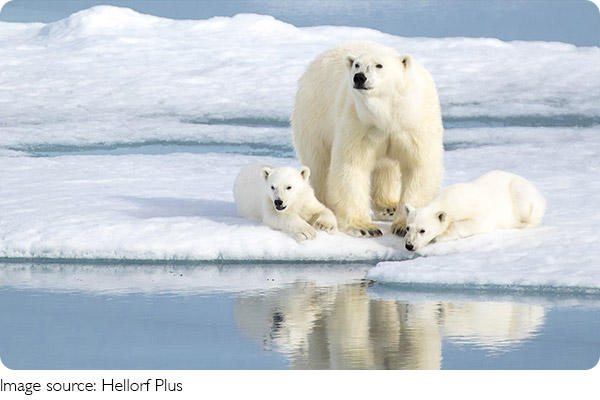
Most litters contain two cubs, although larger litters occasionally occur. Newborn cubs are tiny, helpless, and unable to survive on their own. Their eyes remain closed, and they rely completely on their mother for warmth and nourishment.
The den provides a safe and stable environment where the cubs can grow during their earliest and most vulnerable stage of life.
How Mothers Care for Their Cubs
The first weeks of a cub's life are critical.
The mother keeps the cubs warm with her body heat while providing rich milk packed with energy. This nourishment allows the young bears to grow quickly despite the freezing conditions outside.
After about a month, the cubs begin opening their eyes. A few weeks later, they can start moving around more confidently inside the den.
When spring approaches and conditions improve, the family leaves the den together. By this time, the cubs are stronger and better prepared to face the outside world.
A Long Childhood in the Arctic
Life lessons for young polar bears take years.
After leaving the den, cubs stay with their mother for roughly two to three years. During this period, they learn every skill needed for survival, including finding food, navigating sea ice, recognizing danger, and conserving energy.
The mother dedicates enormous effort to raising her young. She guides them through changing seasons and teaches them how to thrive in one of the planet's most demanding environments.
Without this extended period of care, young bears would struggle to survive on their own.
Why Winter Births Make Sense
Giving birth during the cold season may seem unusual, but it offers important advantages.
By the time the cubs leave the den, spring is arriving and food becomes more accessible. The family can spend the warmer months feeding and building energy reserves.
This timing gives the young bears many months to grow stronger before facing another Arctic winter. They have more opportunities to develop hunting skills and accumulate the energy needed to endure future challenges.
If cubs were born much later, they would have less time to prepare for the demanding conditions ahead.
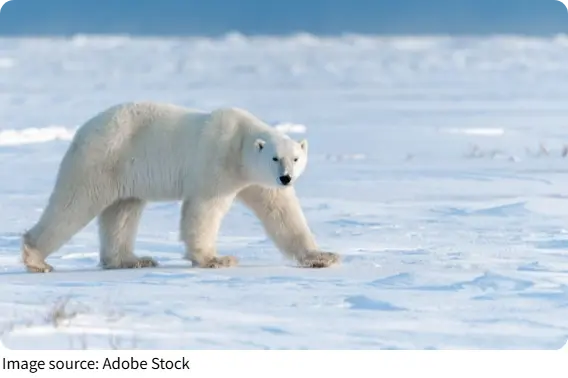
Polar bears have developed a lifestyle perfectly suited to their environment. Males and non-pregnant females stay active because winter offers excellent hunting conditions. Pregnant females, on the other hand, retreat to protected dens because their priority is bringing new life into the world and caring for vulnerable cubs.
This special adaptation helps ensure the next generation has the best possible chance of survival.
Lykkers, were you surprised to learn that only pregnant polar bears enter a winter den? Nature often reveals solutions that are both practical and fascinating. Share your thoughts—what animal adaptation amazes you the most? We would love to hear from you!