Sakura Secrets

Amit Sharma
| 20-05-2026
 · Plant Team
Sakura flowers, often admired for their fleeting beauty, carry more depth than just a seasonal display. Many Lykkers enjoy their soft colors but do not always realize how responsive these trees are to small environmental shifts. With the right understanding, you can influence not just how they grow, but how they bloom and how long that beauty lasts.
This guide focuses on practical, hands-on ways to better understand sakura trees. Whether you are growing one in a garden or simply caring for a young tree, the goal is to help you create conditions where blossoms appear stronger, healthier, and more consistent year after year.
Create Conditions for Stunning Blossoms
Before sakura trees can produce those iconic blooms, they rely on a foundation that often goes unnoticed. When you start paying attention to these basics, you begin to see how much control you actually have over the outcome.
How to Grow Chrysanthemums That Bloom Longer, Grow Fuller, and Stay Vibrant
The science behind autumn’s yellow, orange, and red transformation
How vegetation drives evaporation and shapes rainfall patterns.
Discover How Unique Design Approaches Transform Flower Arrangements
Explore the seasonal magic of trees, from spring buds to autumn leaves and winter dormancy.
How trees and woodlands stabilize weather, absorb carbon, and fight global warming.
Choose the Right Spot
Sakura trees respond strongly to location. You will notice that trees placed in open areas with full sunlight tend to bloom more generously. At least six hours of sunlight daily supports bud formation. If the tree sits in a shaded corner, it may still grow leaves, but flowering becomes limited. When selecting a spot, think about how sunlight moves throughout the day rather than just one moment.
Understand Seasonal Signals
These trees rely on seasonal temperature changes to regulate blooming. A proper period of winter chill is essential. If winters are too mild, flowering can become uneven. On the other hand, sudden warm spells followed by cold snaps can disrupt bud development. While you cannot control the weather, you can choose varieties suited to your climate, which makes a noticeable difference.
Water with Awareness
Young sakura trees need consistent moisture, especially during their first few years. You can check the soil regularly instead of sticking to a fixed schedule. If the top layer feels dry, it is time to water. Deep watering encourages roots to grow downward, making the tree more stable and resilient. Shallow watering, by contrast, keeps roots near the surface and limits long-term strength.
Soil Balance Matters
Sakura trees prefer well-drained soil that does not stay overly wet. If the ground feels heavy or compact, loosening it slightly improves drainage. Adding organic material helps maintain moisture without suffocating roots. When the soil feels light and slightly crumbly, roots can expand more easily, which supports stronger blooming later.
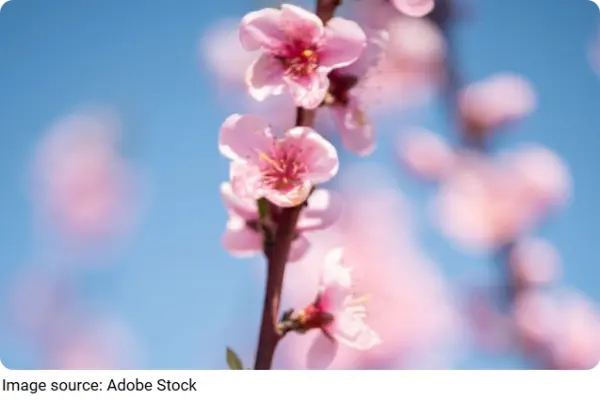
Extend the Beauty Beyond Bloom
Once sakura flowers appear, the challenge becomes maintaining their vitality and supporting the tree for future seasons. This is where thoughtful care keeps the cycle going.
Gentle Pruning Timing
Pruning is best done after the blooming period ends. You can remove weak or overcrowded branches to improve airflow and shape. This helps sunlight reach more parts of the tree, which directly affects next year’s bud formation. Cutting too early or too aggressively can reduce the number of blossoms, so timing and moderation matter.
Protect the Bud Stage
Before flowers open, buds are sensitive to environmental stress. Strong winds or sudden temperature drops can damage them. If your tree is in an exposed area, you might consider simple wind protection, especially for younger trees. Even small adjustments in placement or shielding can preserve more buds.
Feed for Future Growth
Fertilizing works best right after flowering, when the tree begins storing energy for the next cycle. A balanced fertilizer supports root strength and leaf development, both of which are essential for future blossoms. Overfeeding, however, can lead to excessive leaf growth at the expense of flowers, so a light, consistent approach works better.
Observe Leaf Signals
Leaves often reveal what the tree needs. If they appear dull or weak, it may indicate nutrient imbalance or watering issues. Healthy leaves usually look vibrant and evenly colored. By paying attention to these signals, you can adjust care before problems affect blooming.
Patience with Growth Cycles
Sakura trees do not rush. Their beauty is tied to natural timing. You might feel tempted to accelerate growth, but steady care over seasons produces better results than quick fixes. When you align with the tree’s rhythm, each bloom becomes more reliable and satisfying.
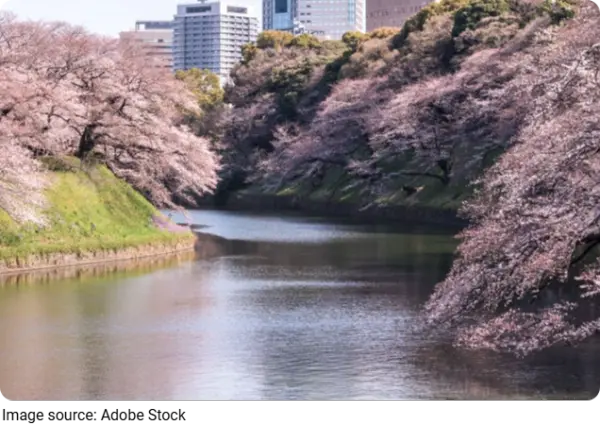
Sakura trees thrive when small details are handled thoughtfully. From choosing the right location to understanding seasonal changes, each step contributes to stronger and more consistent blooms. When you pay attention to watering, pruning, and timing, the tree responds with healthier growth and more vibrant flowers. For Lykkers who appreciate both beauty and process, caring for sakura becomes more than a task. It turns into a quiet, rewarding routine that brings lasting satisfaction year after year.