Smart Space Design

Caroll Alvarado
| 30-04-2026
 · Lifestyle Team
Living in a small space doesn't mean we have to sacrifice style or functionality. Whether we live in a tiny apartment or a compact house, we can create a space that feels spacious, comfortable, and stylish.
In this article, we'll explore how we can maximize the layout of our small homes with smart design choices, clever furniture arrangements, and creative décor.
Make Use of Vertical Space
When it comes to small spaces, we need to think up, not just around us. Vertical space is often underused, but it's a game-changer for small homes. We can install tall shelves or cabinets that reach all the way to the ceiling, making use of the empty space above us. This helps keep the floor clear, creating a more open and airy feeling.
Want to Create a Home That Reflects Your Style? Discover How to Choose the Perfect Décor for Your Personality!
Want to Separate Your Living and Dining Spaces? Discover Creative Divider Ideas That Maximize Style and Function!
Transform Your Living Room into a Cinematic Haven: Expert Tips for Setting Up a Home Theater!
Want to Get Fit at Home? Here's How to Choose the Best Fitness Equipment for Your Space!
Why Cherry Blossoms Are the Ultimate Symbol of Life’s True Meaning – The Deep Philosophy of Hanami!
Why Should We Still Read Classical Literature?
Wall-mounted storage, like floating shelves or hooks for bags and coats, is another great way to save space. By getting things off the floor, we free up valuable room for other uses. Wall mirrors are also fantastic for reflecting light and giving the illusion of more space. A few strategically placed mirrors can make even the tiniest room feel much larger.
Opt for Multi-Functional Furniture
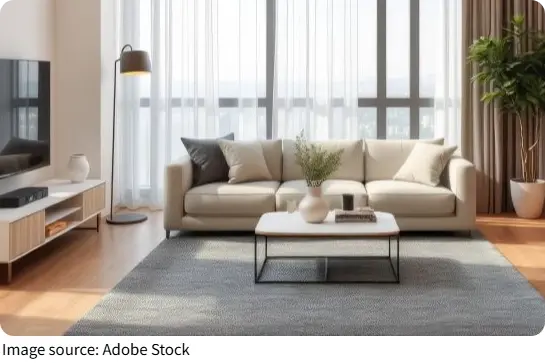
One of the best ways to make the most of a small space is by choosing multi-functional furniture. Furniture that can serve more than one purpose will help us save space without sacrificing comfort. For example, a sofa bed or a fold-out dining table allows us to have a cozy spot to relax and entertain guests, without taking up too much room.
Consider investing in storage ottomans, which not only provide extra seating but can also store blankets, magazines, or other items. Expandable desks are also perfect for small spaces, as they can be adjusted to fit the task at hand—whether we need a small writing space or a larger work area.
Open Floor Plans Are Key
In a small space, open floor plans are often the key to making the space feel more expansive. By minimizing walls and barriers between rooms, we create a sense of flow and openness. Open shelving in the kitchen or living area can also make the space feel more cohesive and less cramped, while providing us with easy access to everyday items.
In smaller homes, we can use furniture arrangements to delineate different areas without using physical walls. For example, a sofa can act as a divider between the living area and dining space, and a rug can help define specific zones, like a reading nook or a work corner. This way, we have the flexibility to use the space efficiently while maintaining a sense of separation.
Keep It Light and Neutral
When it comes to color, light, neutral tones are the best choice for small spaces. Light colors like white, light gray, and beige help reflect natural light, making the space feel more open and airy. Dark colors, while beautiful, tend to make a room feel smaller and more enclosed.
We can add pops of color through accent walls, decorative pillows, artwork, or flowers. This allows us to inject personality into the space without overwhelming it. The key is to keep the major elements of the room neutral, so we don't crowd the space with too many colors and patterns.
Maximize Storage Solutions
In small spaces, storage is essential, but we also need to be smart about how we store things. We should look for hidden storage options that don't take up additional floor space. For instance, a bed with built-in drawers or a storage bench can help us keep our belongings organized without cluttering the room.
Think about utilizing under-bed storage for seasonal items or extra linens, and install closet organizers to make the most of wardrobe space. We can also use over-the-door organizers for shoes, bags, or bathroom essentials to free up closet space for other items.
Personalize with Décor
Even in a small space, we can add personality and warmth through décor. Textiles like throws, cushions, and curtains can soften the room and add texture, creating a welcoming atmosphere. If we want to keep things simple, minimalist décor works perfectly in small spaces—it adds charm without overwhelming the room.
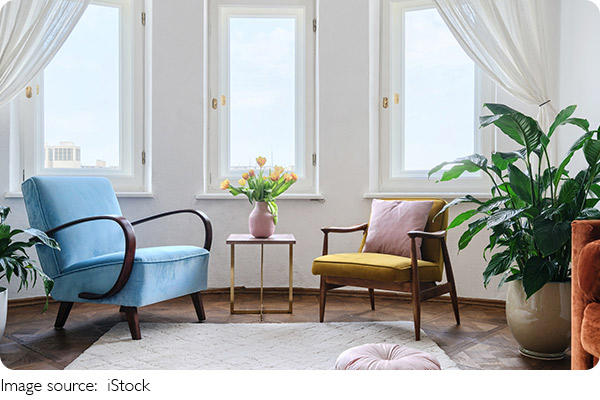
Plants are another great way to personalize our space. They bring life and color to the room and are known to improve air quality. Small indoor plants like succulents, spider plants, or peace lilies can fit in any corner, on shelves, or hanging from the ceiling.
Final Thoughts on Small Space Design
Designing and decorating a small space can be challenging, but with a bit of creativity and careful planning, we can make our homes feel spacious and stylish. By maximizing vertical space, choosing multi-functional furniture, and keeping the color palette light, we can transform our small homes into functional and beautiful spaces.
Remember, Lykkers, the beauty of small spaces lies in how we make them work for us. Don't be afraid to experiment with different layouts and décor options until you find what suits you best. Happy designing!